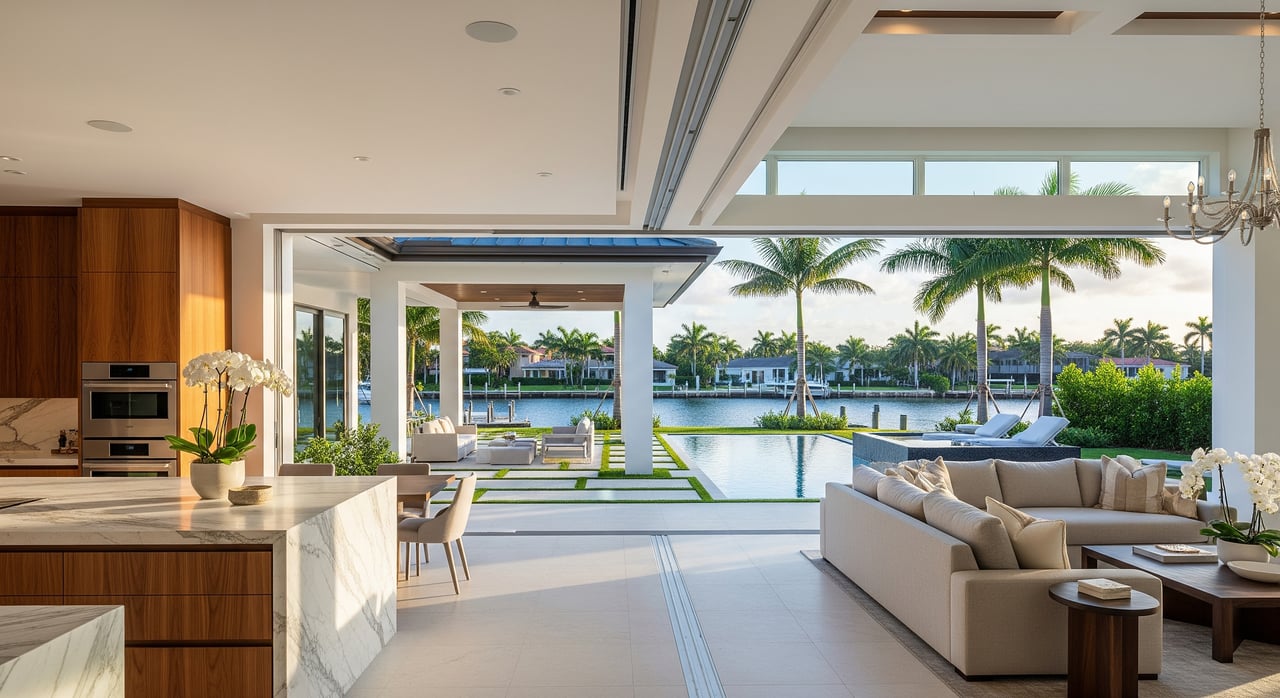
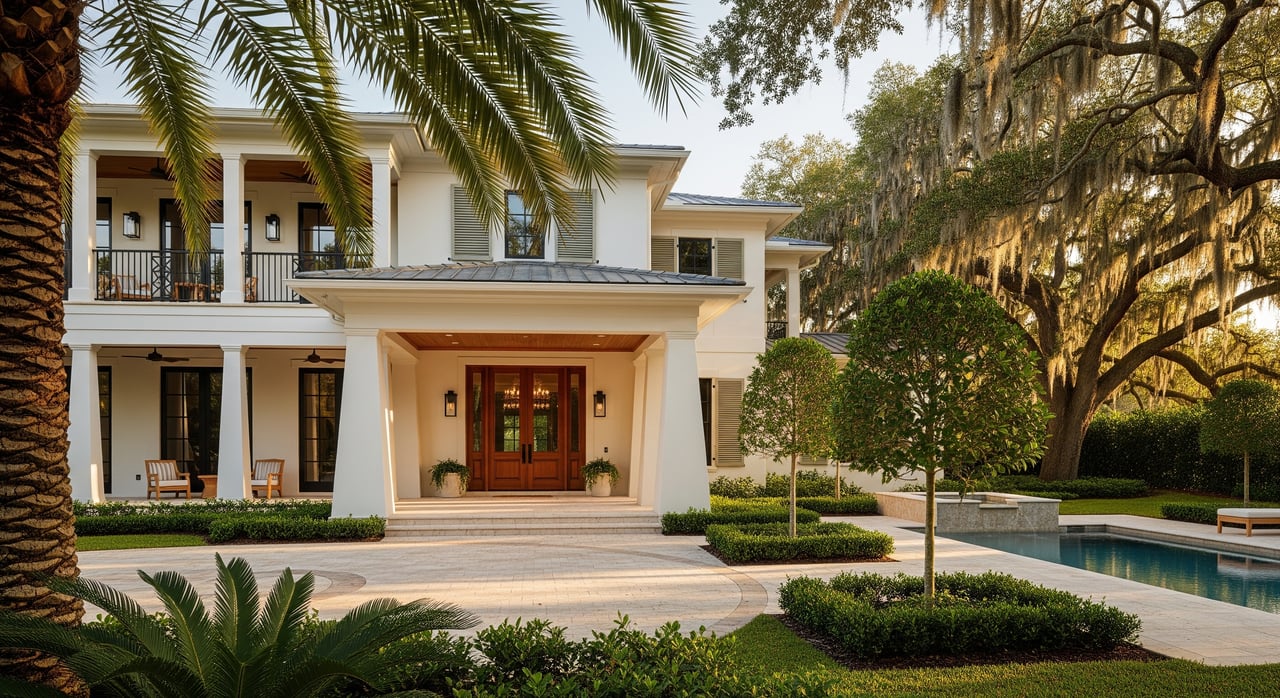
Trying to decide between a single-family home and a townhome in Plantation, Sarasota County? You are not alone. First-time buyers and move-up families often weigh space, rules, and monthly costs before they make a move. In this guide, you will learn the key trade-offs for Plantation, how to check risk and rules, and how to build a side-by-side monthly budget so you can buy with confidence. Let’s dive in.
What makes Plantation unique
Plantation sits in a Gulf Coast county where wind, hurricane, and flood exposure can shape your insurance, HOA coverage, and long-term costs. Before you compare properties, review parcel-level risk and ownership rules so your budget reflects real conditions, not rough guesses.
- Use the Sarasota County GIS parcel viewer to confirm lot dimensions, setbacks, and whether a home sits in or near a mapped floodplain. The map also helps you visualize building footprints and nearby drainage features. Try the official Sarasota County GIS parcel viewer.
- Confirm assessed values and homestead eligibility with the Sarasota County Property Appraiser. Florida’s homestead exemption can reduce your annual property tax burden on a primary residence.
- For flood risk and lender requirements, search the exact address in the FEMA Flood Map Service Center. If a home sits in a Special Flood Hazard Area, a lender will typically require flood insurance.
Hurricane and flood checks
- Review wind protection features such as impact glass, shutters, or roof shape in the MLS remarks and permit history. Stronger features can improve insurability and potential wind credits.
- Pull the flood zone for the parcel in FEMA and confirm elevation if available. Flood zone and base flood elevation drive flood insurance cost.
- Ask for any prior insurance declarations pages. These can reveal coverage types, deductibles, and whether claims were filed.
Property tax basics
- Property taxes are calculated using assessed value and millage rates. If you plan to occupy the home as your primary residence, ask your agent how the homestead exemption may apply after you close. Use the Sarasota County Property Appraiser for parcel-level details.
Space and layout differences
Space is where single-family homes and townhomes diverge the most.
- Single-family homes typically offer a private lot, more outdoor space, and separation on all sides. You often get flexible interior layouts and room to add features like a pool or a shed, subject to zoning and HOA rules.
- Townhomes share one or two walls, often have smaller private outdoor areas, and use vertical floorplans. Many include an attached garage, sometimes single or tandem.
Local tip: If you want a pool, a fenced yard, or room for outdoor play, use the Sarasota County GIS parcel viewer to confirm lot lines and setbacks. Then review any deed restrictions in the HOA to see what is allowed.
Maintenance and responsibility
Who handles the roof, paint, and landscaping varies by property type and community.
- Single-family: You are usually responsible for the entire exterior, the yard, pool, driveway, and all systems. As a rule of thumb, plan for annual maintenance equal to about 1 to 3 percent of the home’s value, with older homes or pool homes skewing higher.
- Townhome: The HOA often covers exterior paint, landscaping, some structural items, and sometimes the roof. You typically handle the interior and any limited common areas assigned to your unit.
In Sarasota County’s climate, landscaping and pool care can add up. If you are comparing a pool home to a townhome without a pool, factor in that ongoing service difference.
HOA rules and fees
Most townhomes in Plantation sit within an HOA, and many single-family homes do as well. HOA fees and rules can vary widely.
What to evaluate before you commit:
- Monthly fee and what it covers, such as roof, exterior paint, landscaping, basic building insurance, or cable.
- Reserve fund strength and recent reserve study.
- Special assessments history or plans.
- Rental, pet, parking, and exterior modification rules.
- Master insurance coverage limits and deductibles.
Know your rights and timelines under Florida law. Community associations for single-family homes are governed by Florida Statutes Chapter 720. Condominiums, which sometimes include townhome-style buildings, follow Florida Statutes Chapter 718. Ask the listing agent for the resale package and disclosure timelines so you have time to review.
Insurance in Sarasota County
Florida’s insurance market is unique and changes often. In Plantation, your coverage needs depend on structure type, flood zone, and HOA master policies.
- Single-family homes typically require an HO-3 policy that covers the dwelling, detached features, and liability. Premiums can be higher because you insure the entire structure.
- Townhomes differ. If the townhome is part of a condominium association with a master policy that covers the building exterior and roof, you may only need an HO-6 policy for interior finishes and contents. If the townhome is deeded as attached single family, you may need full dwelling coverage similar to a single-family home.
- Windstorm and hurricane deductibles are common. In HOA communities, large hurricane deductibles on a master policy may be passed through as an assessment, so review master policy deductibles.
- Flood insurance is separate. Lenders typically require it if the home is in a mapped flood zone. Some buyers choose it even outside high-risk zones for added protection.
For current market conditions and consumer guidance, visit the Florida Office of Insurance Regulation. If private carriers are limited, Florida’s Citizens Property Insurance may be an option of last resort.
How to compare monthly costs
To make an apples-to-apples comparison, build a simple, all-in monthly estimate for each property.
Include these components:
- Mortgage principal and interest, based on price, down payment, term, and interest rate.
- Property taxes, estimated from assessed value and millage rates, then reduced by any homestead exemption. Use data from the Sarasota County Property Appraiser.
- Homeowners insurance and any flood insurance, quoted annually and divided by 12.
- HOA fees, if any, plus what they include.
- Utilities such as electric, water, sewer, trash, and internet. Some townhome HOAs cover exterior irrigation or lighting.
- Maintenance and replacement reserve. For single-family homes, use about 1 to 3 percent of purchase price per year, divided by 12. For townhomes, set a smaller interior-only reserve and add your share of the HOA’s reserves already embedded in the fee.
- Special assessment reserve if the HOA has a high master policy deductible or plans major projects.
How to do it well:
- Use the same loan scenario for both properties so only the non-mortgage costs vary.
- Add townhome owner insurance plus the HOA fee, then lower the maintenance reserve to reflect exterior items covered by the HOA.
- Add single-family owner insurance, any flood policy, and a higher maintenance reserve, with a smaller or no HOA fee.
- Review the total and also consider risk. A lower monthly today with a weak reserve fund or high master deductible could mean a larger assessment later.
Research active listings in Plantation
Here is a simple process to evaluate real homes on the market in Plantation.
- Search the local MLS for subdivision names that include “Plantation” in Sarasota County. Your agent can verify subdivision boundaries against county parcel data to avoid confusion with similarly named communities.
- Confirm parcel-level details with the Sarasota County GIS parcel viewer and pull the FEMA flood zone from the FEMA Flood Map Service Center.
- Capture key attributes from each listing: lot size, year built, living area, garage size, presence of a pool, wind protection features, flood zone, HOA name and monthly fee, and any special assessments noted.
- Request the HOA budget, reserve study, master insurance declarations, and recent meeting minutes. Confirm what the HOA covers and the hurricane deductible on the master policy.
- Ask for the seller’s property disclosures, any recent inspection reports, and county permit history for roof, HVAC, and major renovations.
Documents to request every time
For HOA or townhome properties:
- Declaration, Bylaws, and Rules and Regulations
- Most recent annual budget and reserve study
- Master insurance declarations with coverage limits and deductibles
- Recent meeting minutes and notices of special assessments
- Resale certificate or required HOA disclosures
For single-family homes:
- Seller property disclosures that cover roof age, systems, and known defects
- Any recent inspection reports and the county permit history
For both property types:
- Current insurance declarations pages if available
- Flood zone determination and an elevation certificate if available
- Survey or plat to verify easements and lot lines
Which lifestyle fits you
Consider your day-to-day needs and risk comfort.
- Choose a single-family home if you want a private yard, more flexibility for additions, and full control over exterior decisions. Budget for higher maintenance and potentially higher insurance.
- Choose a townhome if you prefer less exterior upkeep and want predictable costs through an HOA. Review the master policy and reserves to understand assessment risk.
If you are still unsure, walk two similar-priced options the same day. Stand in the outdoor space, note noise and sun exposure, and ask for the HOA’s maintenance matrix so you can see exactly who handles what.
Next steps
- Build two side-by-side monthly estimates using the checklist above.
- Pull parcel and flood data for any short list homes using the Sarasota County GIS parcel viewer and the FEMA Flood Map Service Center.
- Request HOA documents early and review coverage limits and deductibles against your comfort level.
When you are ready, we can help you compare Plantation options and negotiate the best fit for your goals. For bilingual guidance and a clear plan from search to close, connect with christian cevallos.
FAQs
What are the biggest cost differences between single-family and townhome homes in Plantation?
- Single-family homes often have higher insurance and maintenance reserves, while townhomes add HOA fees and rely on the HOA’s reserves and master insurance.
How do I check if a Plantation property requires flood insurance?
- Enter the address in the FEMA Flood Map Service Center and confirm the flood zone, then verify lender requirements with your agent and insurer.
What should I review in Plantation HOA documents before buying?
- Focus on the monthly fee, coverage scope, reserve study, master policy deductibles, rental rules, pet policies, parking, and any planned special assessments.
Which insurance policy do I need for a Plantation townhome?
- If the building is a condominium with a strong master policy, an HO-6 may be enough for interior finishes and contents; if it is an attached single-family, you may need full dwelling coverage.
How can I estimate property taxes on a Plantation home?
- Check assessed values and exemptions on the Sarasota County Property Appraiser site, then divide the annual estimate by 12 for your monthly budget.